How do you teach a robot to move like a horse?
You capture the horse first. Then you rebuild it, and teach it to listen.

Three layers
Built on 10+ years of LUT robotics research
Motion capture
We capture and process the motion dynamics of real horses: walk, trot, canter and the take-off before a fence.
Robotic replication
A robotic platform reproduces that motion under the rider. Clone any real horse.
Sensing and machine learning
Sensors and machine learning read subtle rider aids, seat, leg and rein, and respond in real time.
PlusA game layer: ride an Olympic dressage arena or a Grand Prix course, with scores, progress and friends. Train or play.
Clone any real horse.
Every horse whose motion we capture becomes a digital twin. Ride a champion’s dressage horse, or your own while it rests.

The research
Not a mechanical bull with a saddle
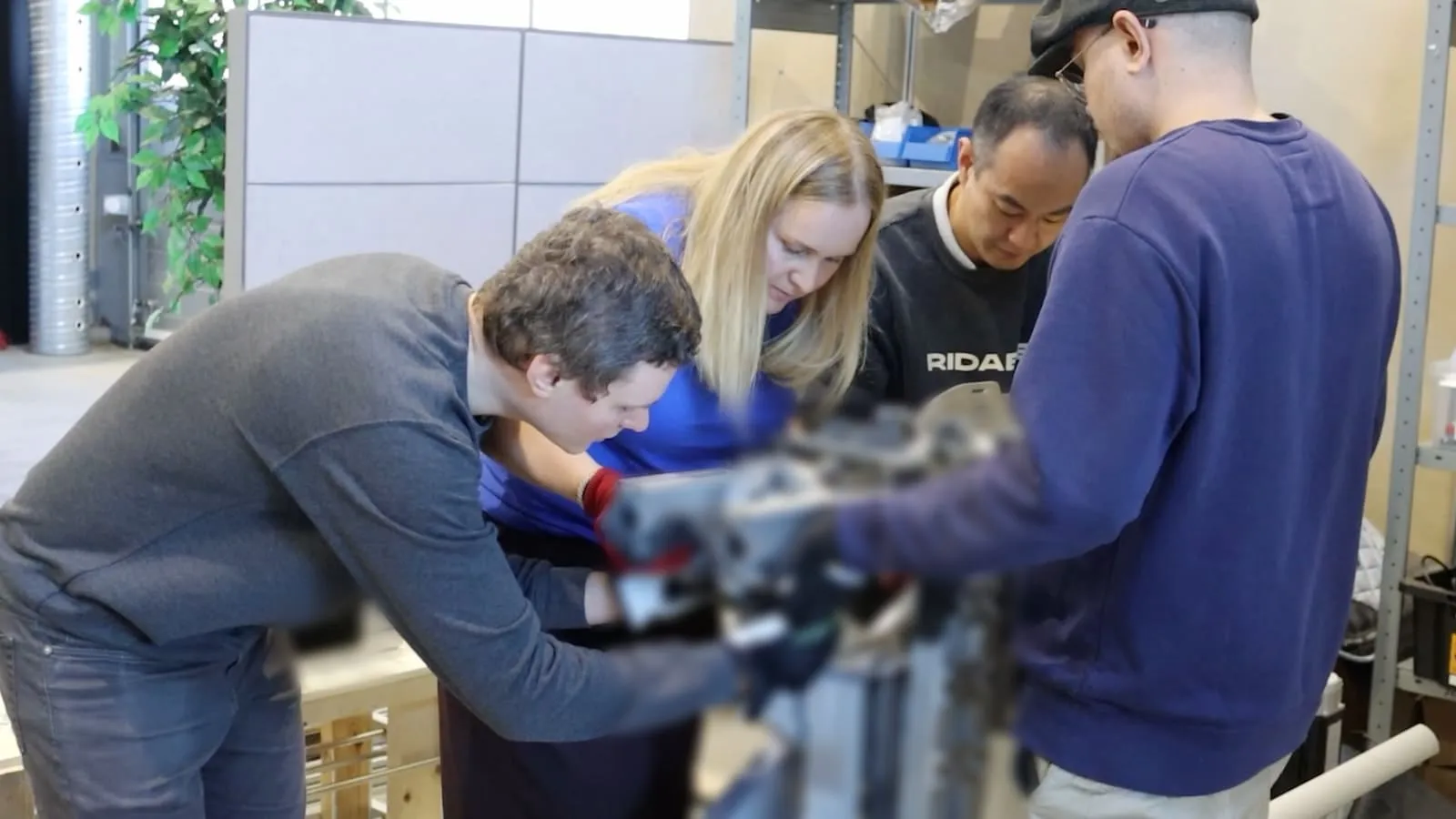
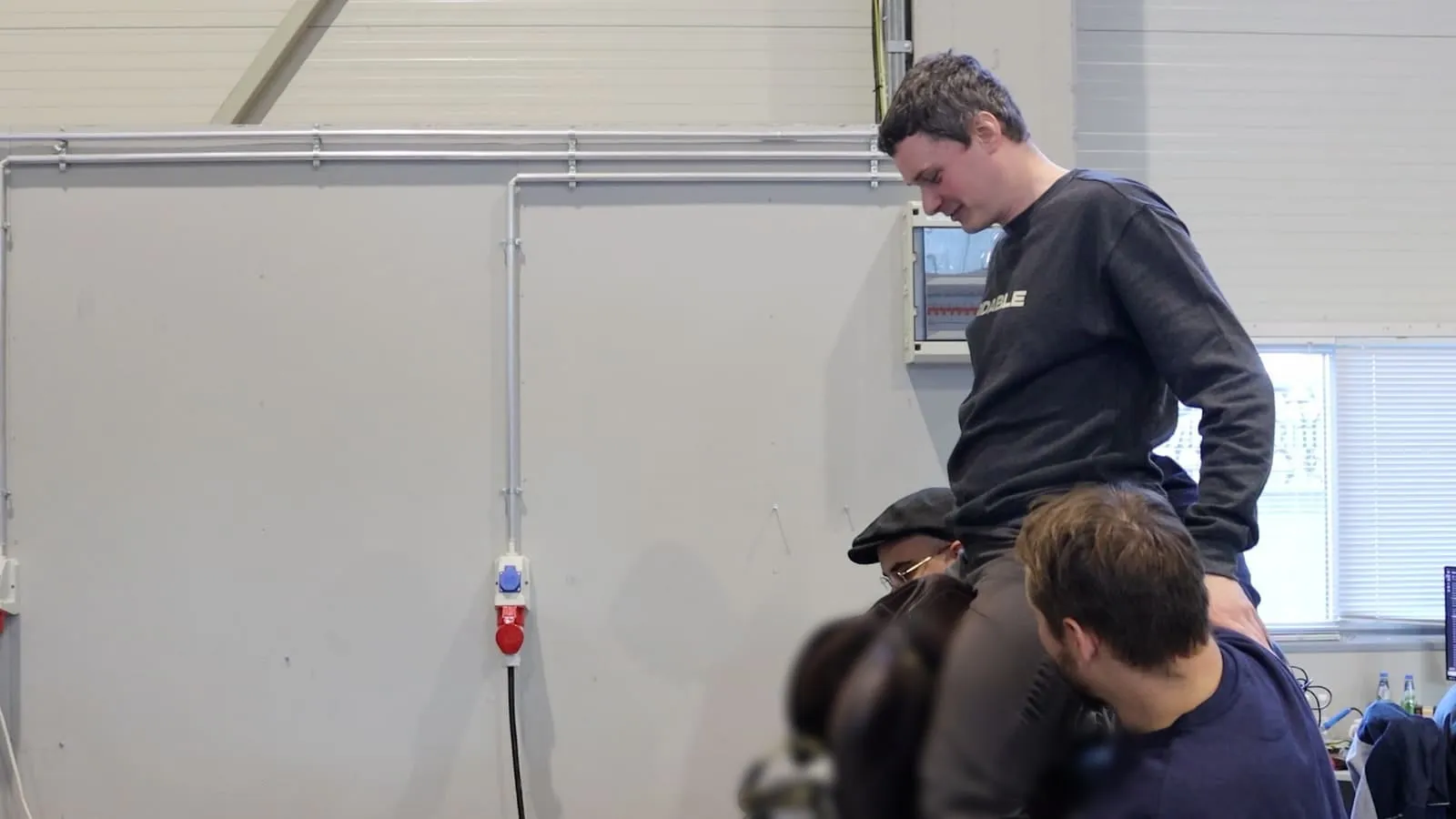
Riding-simulator research has run for more than ten years at LUT University’s Laboratory of Intelligent Machines. Ridable owns all the IPR, and the newest patent is pending.
- 10+Years of research at LUT University
- €800k+Dedicated research funding
- 100 %Of the IPR owned by Ridable
Spec sheet
What we can say today
The rest you feel in the saddle.
- Rider aids
- Seat, leg and rein, sensed in real time
- Disciplines
- Showjumping, dressage, eventing, trail
- Motion source
- Captured from real horses. Any horse can be cloned
- Instructor
- Optional. Rides alone, every session scored
- Where today
- Maria 01, Kamppi, Helsinki
- Uptime
- 24/7
- Footprint
- The space of a golf simulator studio

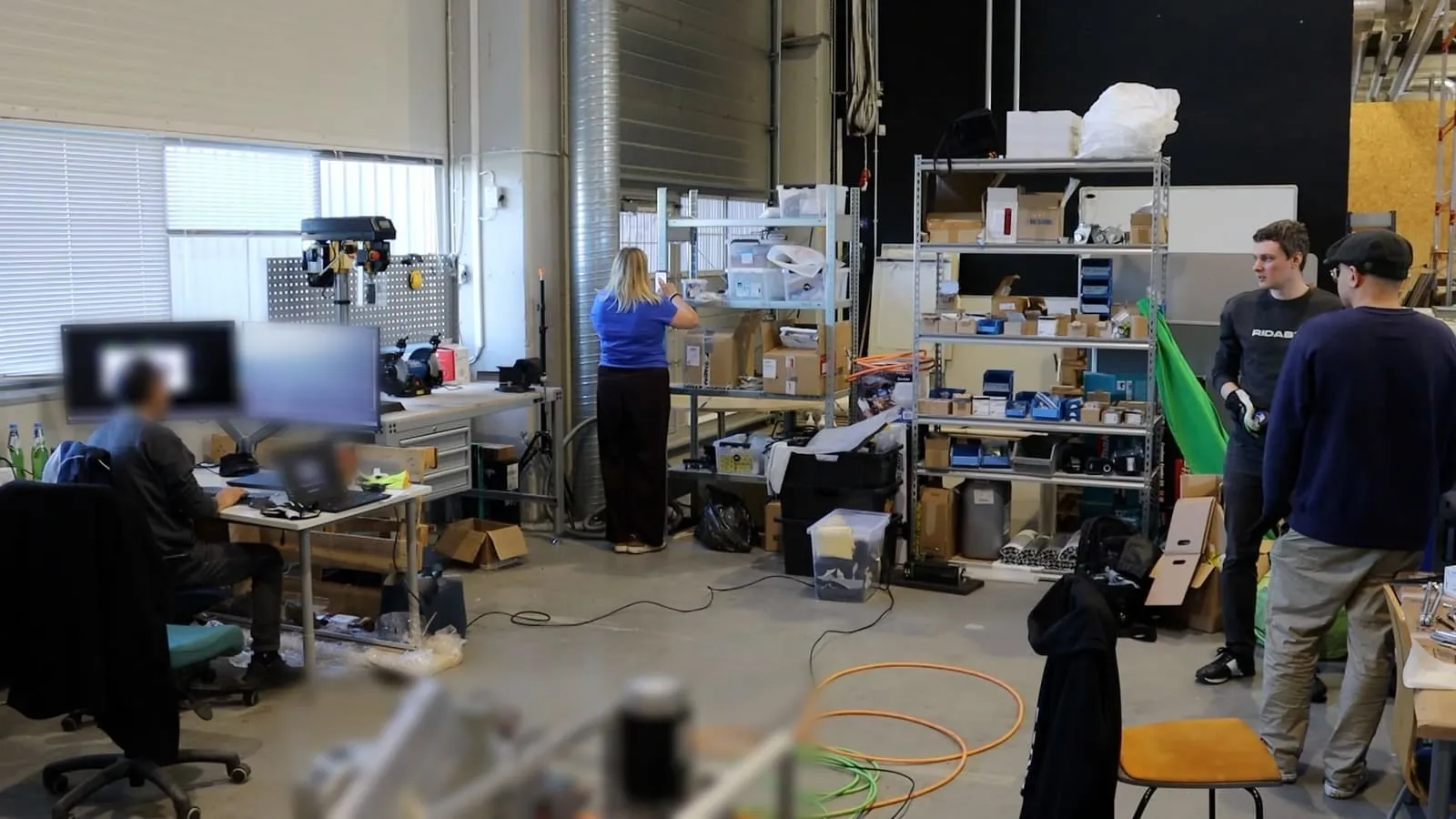
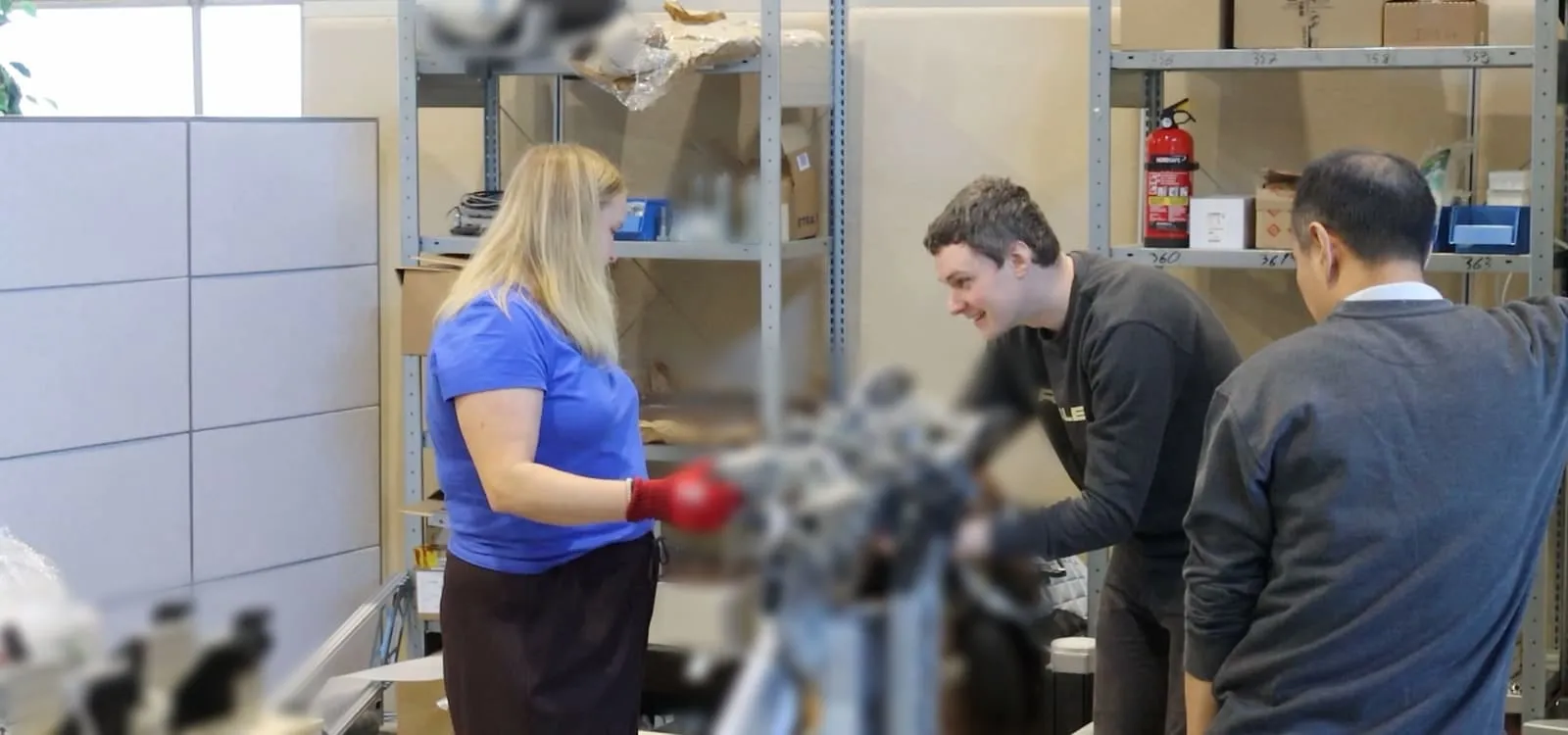
From the bench
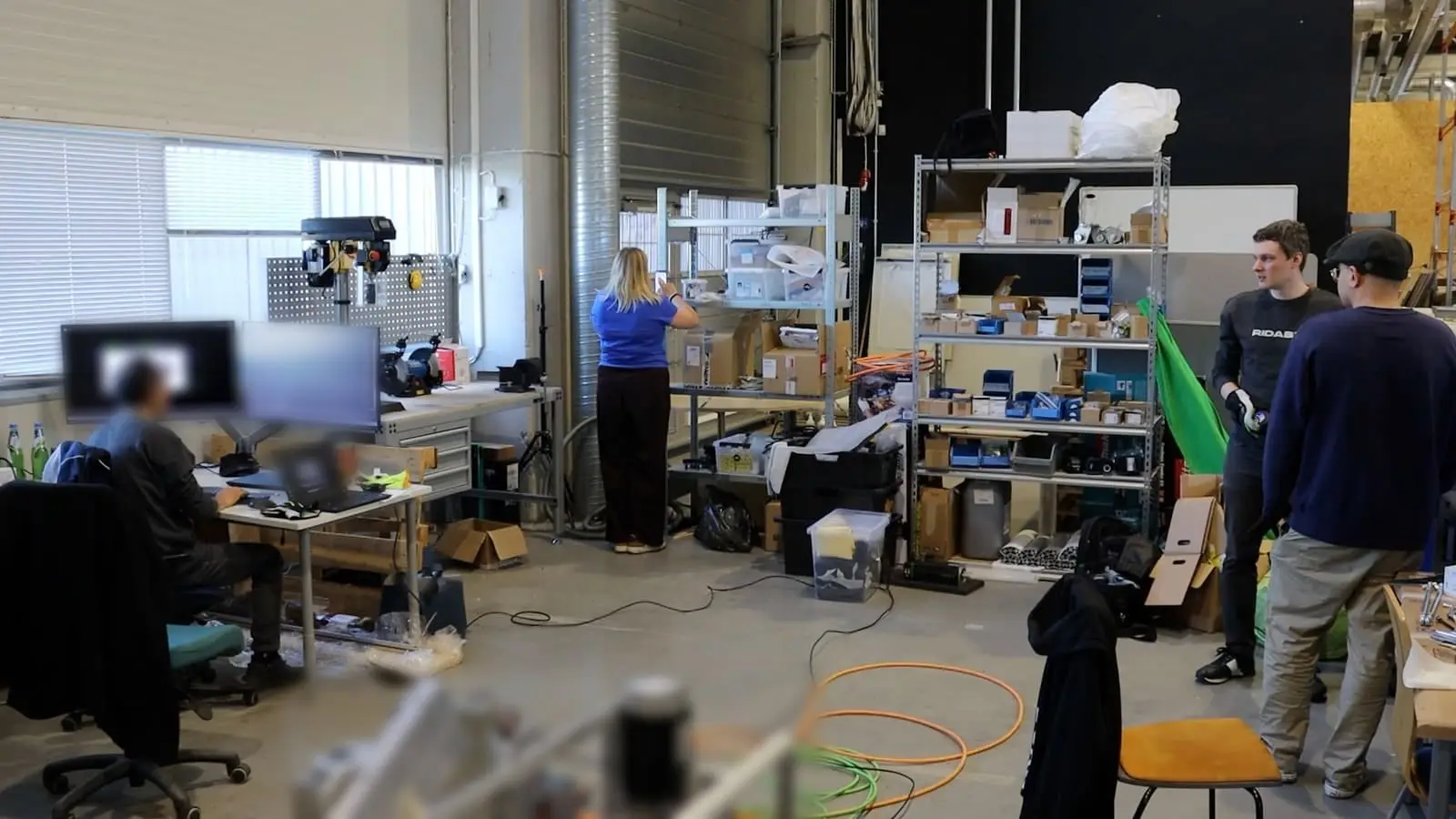
Lappeenranta, autumn 2026